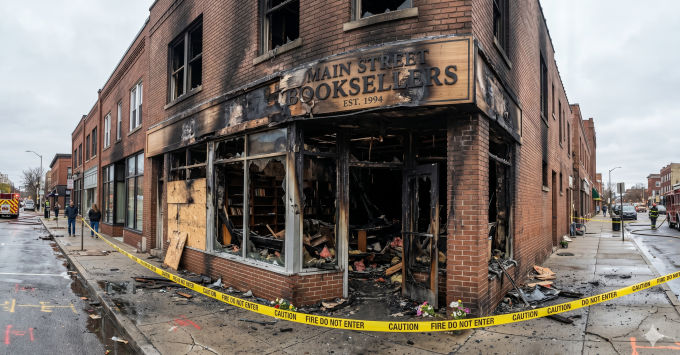
Most entrepreneurs understand the importance of commercial property insurance. It’s the safety net that repairs your roof after a storm or replaces your inventory after a fire. However, there is a hidden financial gap that standard property insurance often misses: the “cost of staying in business” while your doors are physically closed.
This is where Business Income and Extra Expense (BIEE) coverage becomes essential.
The Two Pillars of BIEE
Think of BIEE as a financial bridge that keeps your business viable while your physical space is under reconstruction. It generally consists of two distinct parts:
- Business Income Coverage: This focuses on revenue replacement. If a disaster forces a six-week shutdown, this helps cover the recurring bills—like payroll and rent—that don’t stop just because your income has.
- Extra Expense Coverage: This focuses on mitigation. It covers the “above and beyond” costs required to keep your business operating in a temporary capacity so you don’t lose your customer base to competitors.
What Qualifies as an “Extra Expense”?
Extra expense coverage applies to reasonable, temporary costs incurred to avoid a total shutdown. Common examples include:
- Relocation: Renting a temporary storefront or office space.
- Logistics: Moving costs, furniture rental, and utility setup fees for a temporary site.
- Acceleration: Paying “rush fees” to contractors or expedited shipping for replacement inventory.
- Communication: Marketing and advertising costs to inform your clients that you’ve moved.
Crucial Distinction: This coverage does not pay for the physical repairs to your building; your property insurance handles the bricks and mortar. Extra expense coverage handles the logistical hurdles of surviving the recovery period.
Understanding the Fine Print
Coverage isn’t automatic; it is strictly tied to the terms of your primary property policy.
- The Trigger: Coverage only activates if the damage was caused by a “covered peril”. If your property policy excludes floods or earthquakes, your BIEE coverage will also likely be unavailable for those events.
- The Period of Restoration: This is the window during which the insurance company pays out. It typically begins at the time of the loss and ends when the property should reasonably be repaired.
- The 12-Month Benchmark: Many policies cap this period at one year. Given modern supply chain delays and permit processing, experts often recommend ensuring you have at least 12 months of protection.
Why the Stakes Are High
The data regarding business survival after a catastrophe is sobering. FEMA reports that 40% of businesses never reopen following a major disaster, and another 25% fail within the first year. The primary culprit isn’t usually the damage itself, but a lack of liquid capital to survive the rebuilding phase.
Proactive Steps for Business Owners
To ensure your business isn’t just a statistic, take these steps today:
- Audit Your Policy: Confirm with your agent whether BIEE is already included or if it needs to be added as an endorsement.
- Identify Your Gaps: If you are in a high-risk zone for excluded perils (like floods), look into supplemental coverage to ensure your BIEE can actually be triggered.
- Forecast Your Financials: Keep clear records of your monthly revenue to accurately project how much “income protection” you would actually need during a shutdown.
- Plan for the Worst-Case Timeline: Be realistic about how long a total rebuild would take in today’s economy, factoring in labor shortages and material delays.
In Summary
Every business is unique, and your insurance should reflect that. Give us a call and we can help you move from a generic “one-size-fits-all” policy to a customized plan that truly protects your livelihood.


