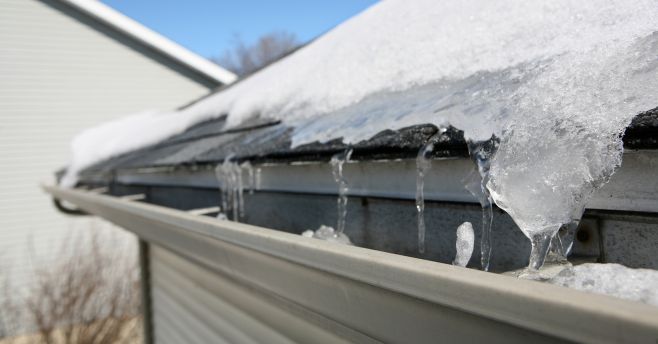
It’s hard to protect your home from many of the disasters that are out there. If a storm is bearing down, there’s no way to divert it. Spontaneous fires can be unavoidable. Ice dams, however, are one type of misfortune that can mostly be avoided. If you live in a part of the U.S. with a significant snowy season such as Madison Wisconsin, your home is at risk for ice dams and the damage they can cause.
Ice Dams 101
An ice dam is a barrier of ice that stops snow melt from running off the roof. They often form along the edge of the roof, atop overhangs, on flat areas and in valleys. The melted snow behind the ice dam refreezes, making the dam bigger and preventing more water from running off. The weight of the ice dam could eventually collapse the roof. Even if a full collapse doesn’t occur, the standing water on the roof could find ways into your house, causing damage and mold wherever it reaches.
Insurance Protection for Ice Dams
Insurance can be a great help should an ice dam cause damage to your home, whether from water seeping into your walls, or an all-out roof collapse, most homeowners insurance policies cover water damage and structural damage caused by an ice damn. If the ice dam is still present and causing additional damage, the policy may even cover the cost of removal. But, if there is an ice dam, and it hasn’t yet caused damage, the homeowner is responsible for having to remove it.
Removing Ice Dams
It’s good to remove an ice dam as soon as you spot it. The longer they’re on your roof, the more opportunity there is for damage to occur. A roof rake or shovel can be used to remove many ice dams. For particularly high roofs, thick ice dams or ones located in precarious areas, it’s probably in a homeowner’s best interest to hire a professional.
Preventing Ice Dams
The best way to prevent damage is to actually prevent ice dams from ever forming in the first place. Here are a few simple steps that you can take to prevent ice dams:
- Clean your gutters so melt water can flow easily.
- Make sure your attic has good ventilation and is well insulated.
- Keep your eaves clear of snow by raking off accumulated snow when it reaches 6 inches or more.
Madison Wisconsin is a winter wonderland for several months out of the year. The potential for ice dams and the damage they cause can be pretty much constant throughout the snowy season, especially when the temperature is hovering right around the 32-degrees during the day and below freezing at night. With good home maintenance, and consistent inspections for trouble, most ice dam damage can be well avoided.


