There were more than 1.3 million fires that caused $14.3 billion of damage to homes in the U.S. in 2015 alone. Thousands of people were injured in those fires, and some even lost their lives. Although those numbers are down approximately 20 percent since 2006, there is still much to be learned about the ways these tragedies can be prevented. In this post, we’ll explore seven of the most common causes of household fires and what you can do to prevent them.
Kitchen Cooking
By far, in-home cooking is the number one cause of house fires and fire-related injuries – something that is easily prevented with proper precautions. When you cook, be sure to remain in the room at all times when using your range to fry, grill, or boil food. If you are baking, always use a timer, so you do not forget about the food while it is still in the oven. Furthermore, scan the cooking area for any materials, such as paper towels or oven mitts, which could easily catch fire if left near your cooking equipment.
You should also have a contingency plan in place in the event of a kitchen fire. For example, you wouldn’t want to use a fire extinguisher or douse a grease fire with water, as it could worsen conditions. Instead, slide a lid over the fire to contain and smother it, and then turn off the burner. If you cannot safely do so, remove everyone from the home and call 9-1-1.
Grilling
Grilling not only makes your food taste great, but it could be just the reason you need to get together with friends for a good time. Of course, it’s all fun and games until a fire breaks out, destroying your deck and potentially spreading to your home. Before you start up an open flame this summer, make sure to pull the grill away from your deck railings, eaves, and any overhanging branches. Stay beside the grill at all times while cooking, and clean off residue and buildup before using it again.
Burning Candles
Candles are responsible for thousands of home fires every year. Even small flames contained in a fire-safe container can spark a fire – particularly when combustible materials are left nearby. While flameless options are the safest, there are still steps you can take to reduce your risk of a candle-related fire if you choose to burn the real thing. First, place candles out of the reach of children and pets, where they could easily be knocked over and start a fire. Next, be sure to remove all flammable materials from the vicinity, including combustible liquids. Finally, never leave a candle burning unattended or while you are sleeping.
Dirty Dryer Vents
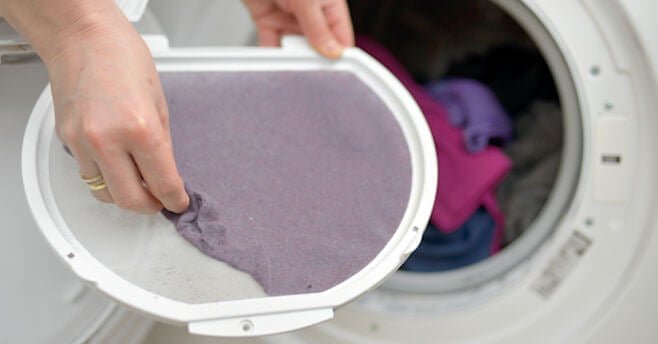
Nearly twice as many house fires are caused by dryer vents each year than those that are caused by candles. When lint builds up in the vent, it can get overheated and catch fire. To prevent a blaze, always remove lint from the dryer screen each time you complete or start a load. It’s a good idea to keep an eye on your vent duct, as well. Accordion-style ducts can create ‘low-points’ for lint to accumulate over time, ultimately creating a fire hazard. Alternatively, you could replace the foil duct with a short, metal duct that is less likely to sag.
Electrical Problems
There are tens of thousands of electrical fires each year in the U.S., many of which are caused by loose-fitting or overloaded electrical outlets. You can reduce the risk of these types of fires by unplugging appliances when they are not in use and using extension cords and surge protectors both temporarily and sparingly. Never force a plug into an outlet or remove its third grounding prong to make it fit. Finally, make sure your home is equipped with working ground fault circuit interrupters (GCIs) and arc-fault circuit interrupters (AFCIs), which can help prevent electrical fires.
Portable Heaters
It stays cold many months of the year here in Wisconsin, which is why many people opt to use portable heaters as a means of spot-warming the home and reducing heating costs. If you opt for a space heater, be sure to leave it in an open space at least three feet from other items and combustible materials. Make sure the heater is on level ground to reduce the risk of it tipping over, and never leave it running unattended.
Flammables
Many people are surprised to find that you do not always need the application of heat to start a fire. However, that is exactly what can happen when you combine flammable liquids like solvents and stains with combustible materials, like rags and drop cloths. To avoid a disaster, let rags dry in a metal container with an air-tight lid, but never in an open-air pile. Always read the manufacturer instructions for proper disposal of flammable liquids.
While you may not be able to prevent all fires, proper precautions can significantly reduce your risk of filing an insurance claim in the future. For more information about preventing fires and the ways you can protect yourself against loss, contact our office today.


